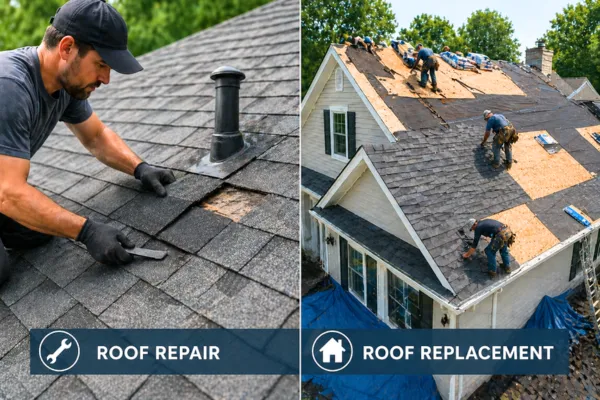
Roof Repair vs. Replacement: Which is Worth It? | Weathertek Exteriors
The Truth About Roof Repairs vs Replacement (How to Know What You Actually Need)
This is one of the most common questions we get from homeowners:
“Can I just repair it?”
And the honest answer is… sometimes yes.
But a lot of times, no—and trying to force a repair can actually cost you more in the long run.
The challenge is that most roofing problems don’t exist in isolation. What you see on the surface is often just a small piece of what’s really going on underneath.
So the real question isn’t just can it be repaired?
It’s should it be?
When a Roof Repair Actually Makes Sense
There are absolutely situations where a repair is the right move—and a good contractor will tell you that.
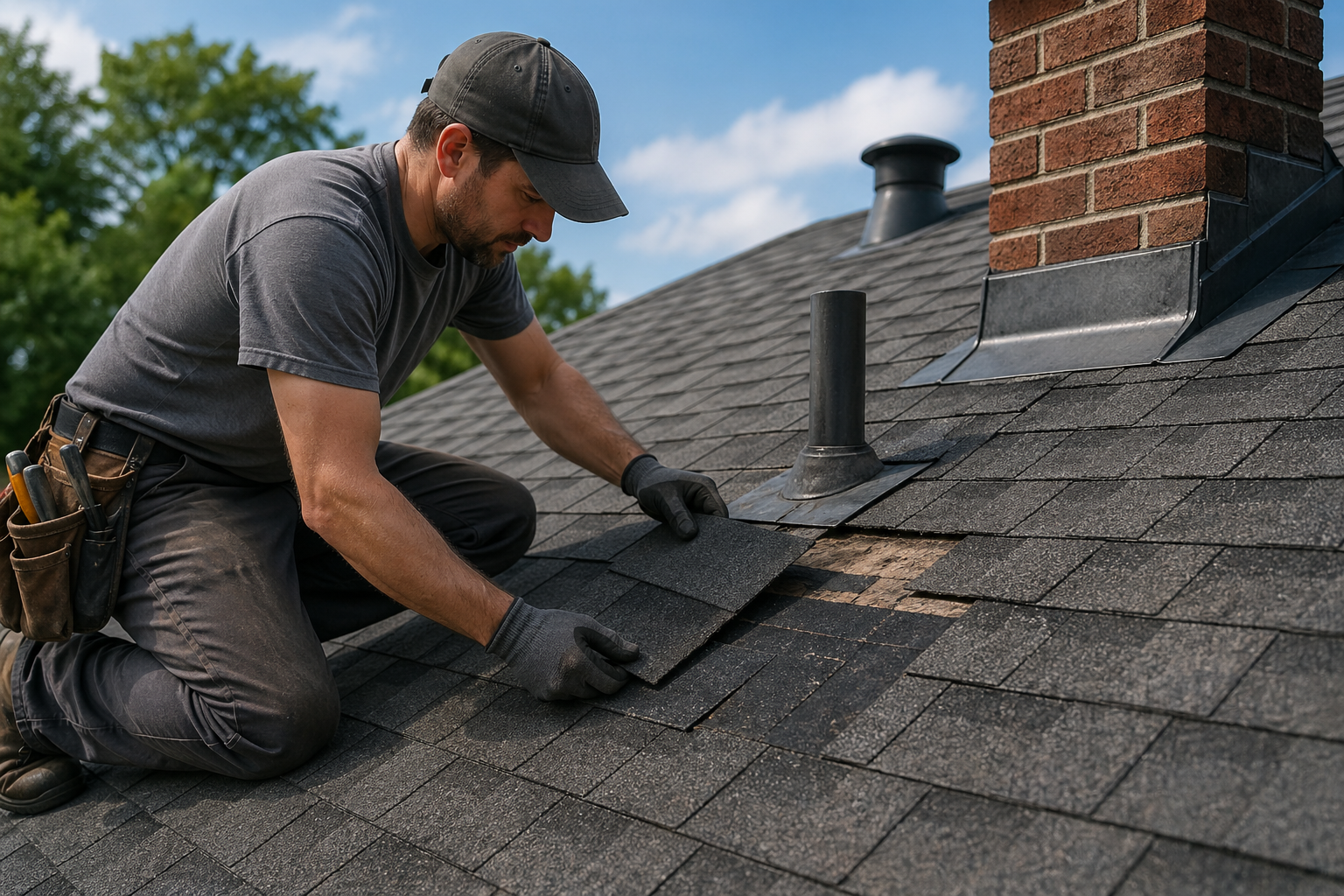
If the issue is isolated, a repair is often quick, cost-effective, and the smart decision.
For example, if a recent storm pulled off a few shingles or caused minor damage in one specific area, there’s no reason to jump straight to replacement. The same goes for small flashing issues around roof penetrations like chimneys, vents, or skylights.
In these cases, you’re dealing with a localized problem—not a system-wide failure.
A proper repair can restore the integrity of your roof and give you more life out of it without unnecessary expense.
Where Homeowners Get Burned
This is where things start to go sideways.
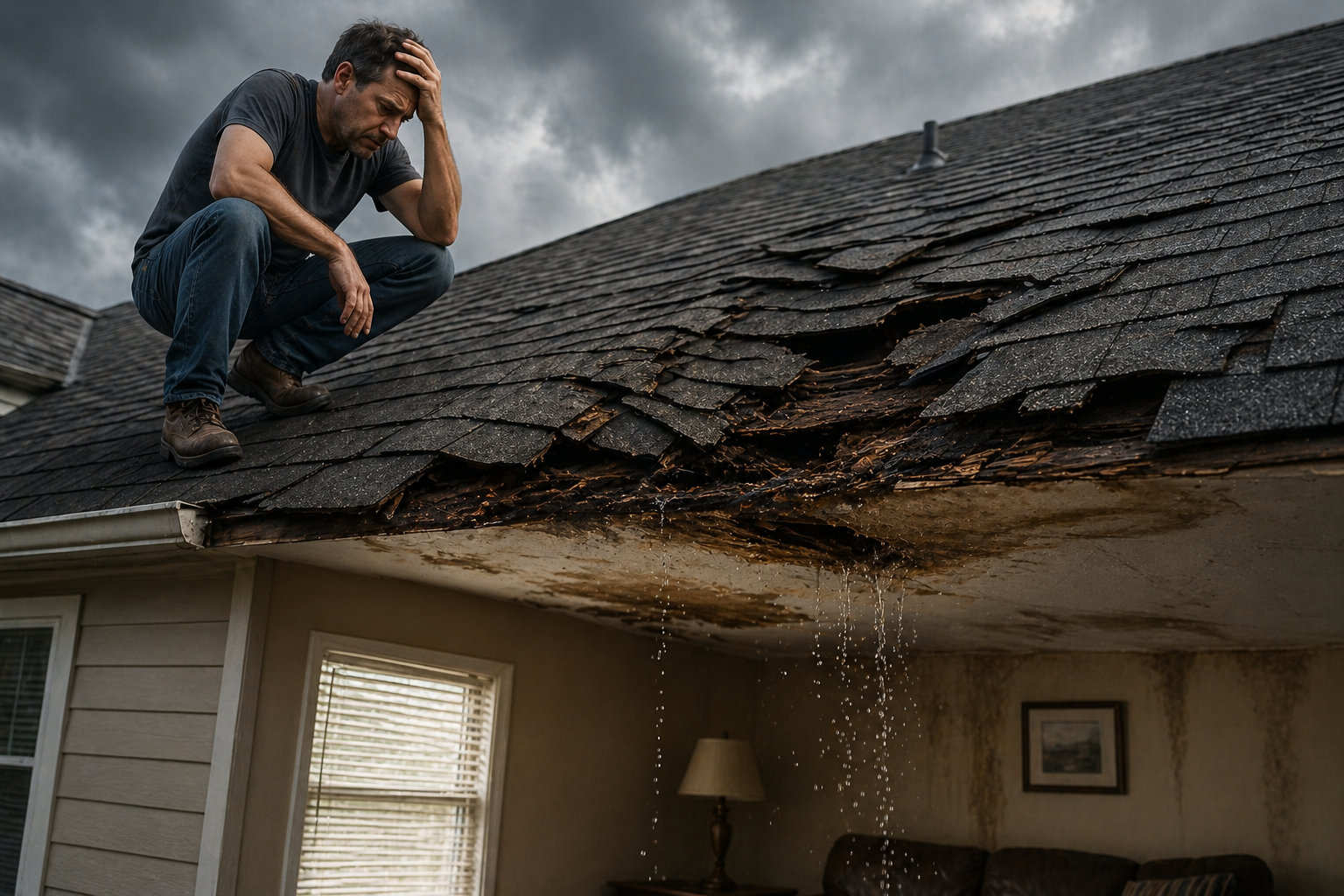
The biggest mistake homeowners make is trying to repair a roof that’s already nearing the end of its lifespan.
At that point, the issue isn’t just the visible damage—it’s the overall condition of the entire roofing system.
Shingles may be brittle. Granules may be worn down. Underlayment may be compromised. Flashing may be deteriorating in multiple areas.
So even if you fix one problem, others are already forming.
And that’s where a repair stops being a solution—and starts becoming a temporary band-aid.
The “Double Spending” Trap
Here’s how this usually plays out.
A homeowner spends a few thousand dollars on repairs, hoping to extend the life of the roof just a little longer.
At first, everything seems fine.
But within a year or two, new issues appear. Another leak. More wear. More damage.
And now, instead of getting full value out of that repair, they’re facing a full replacement anyway.
That’s what we call double spending.
You’ve paid for a repair that didn’t truly solve the underlying problem—and now you’re paying again for a new roof.
This is one of the most frustrating situations for homeowners, and it’s completely avoidable with the right guidance upfront.
What a Good Contractor Should Actually Be Looking At
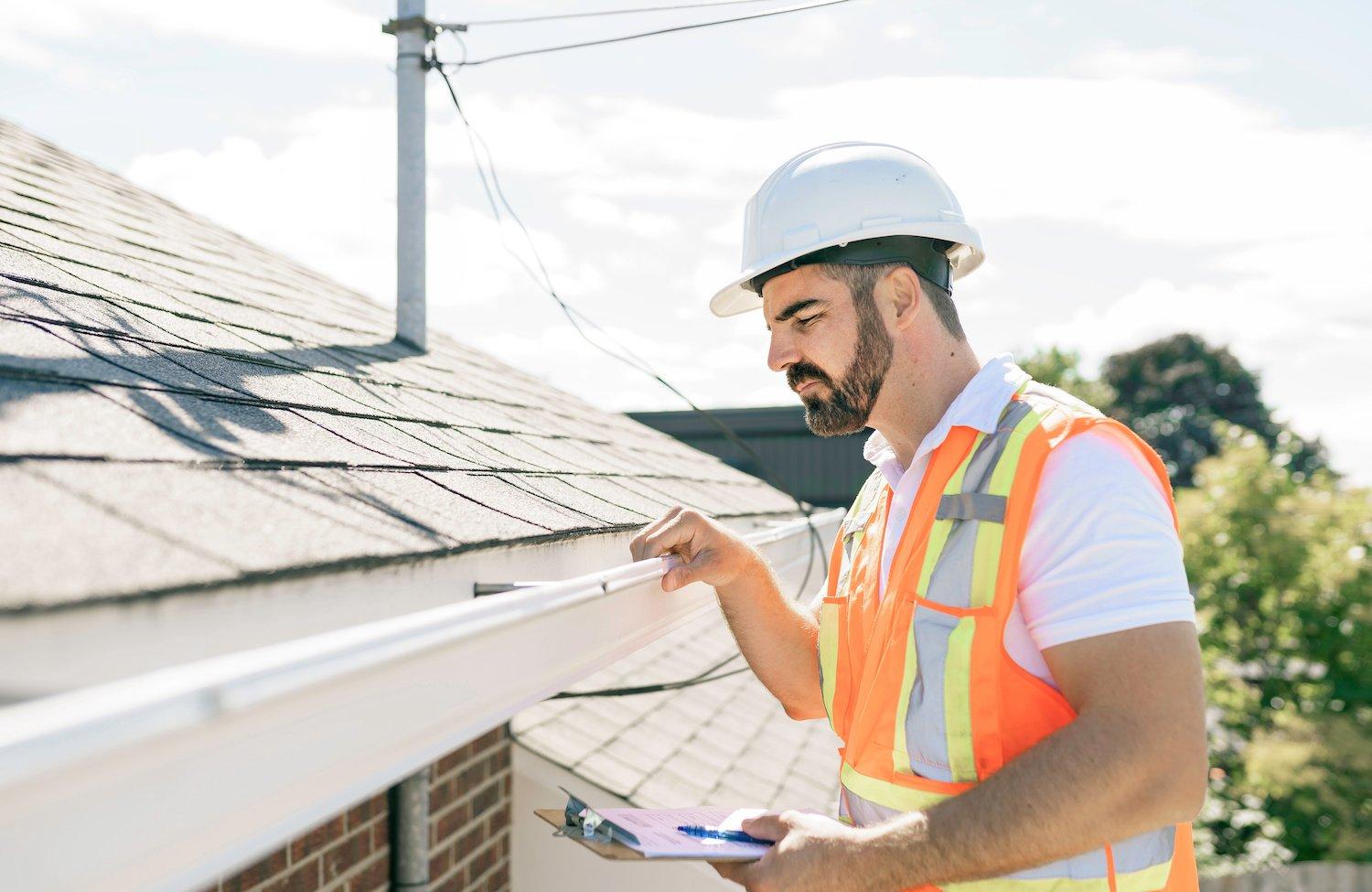
This is where working with the right contractor really matters.
A proper evaluation goes far beyond the visible issue. It looks at the entire roofing system and how all the components are performing together.
A good contractor should walk you through three key things:
First, the actual age of your roof. Not just a guess, but a realistic estimate based on materials and condition.
Second, the overall health of the system. That includes shingles, flashing, ventilation, underlayment, and any signs of widespread wear.
And third, whether a repair will meaningfully extend the life of the roof—or just delay the inevitable.
That last point is critical.
Because if a repair only buys you a short amount of time, it may not be worth the investment.
It’s Not About Selling You a Roof
The best contractors don’t start with a recommendation.
They start with an evaluation.
Because the goal isn’t to push you into a replacement. It’s to help you make the smartest financial decision based on your specific situation.
Sometimes that means recommending a repair and telling you your roof still has solid life left.
Other times, it means being honest and saying that a replacement is the better long-term move—even if it’s not what you were hoping to hear.
But either way, the decision should be based on facts.
Not assumptions.
Not pressure.
Not guesswork.
Final Thought: Make the Decision Once—Make It the Right One
Roofing decisions aren’t just about fixing a problem today. They’re about protecting your home and your finances over the next 5, 10, or even 20 years.
A well-timed repair can save you money.
But a poorly timed one can cost you twice.
The key is understanding where your roof truly stands—and making a decision that aligns with that reality.
Because when you make the right call the first time, you avoid the stress, the uncertainty, and the unnecessary expense down the road.
Helpful Resources
If you want to go deeper and better understand your options, these will help:


