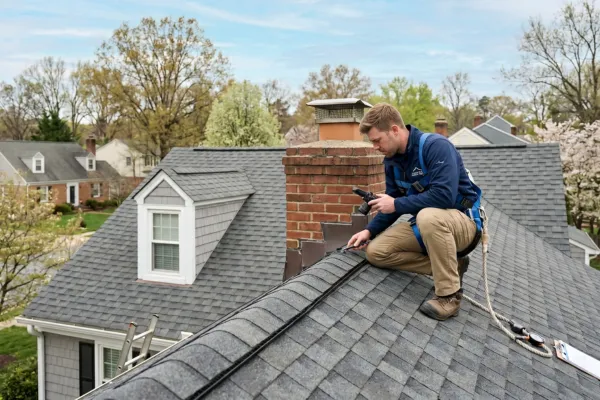
Why Spring Is the Most Overlooked Time to Inspect Your Roof (And Why That Costs Homeowners Thousands)
Most Homeowners Wait Too Long
Most homeowners don’t think about their roof until something goes wrong.
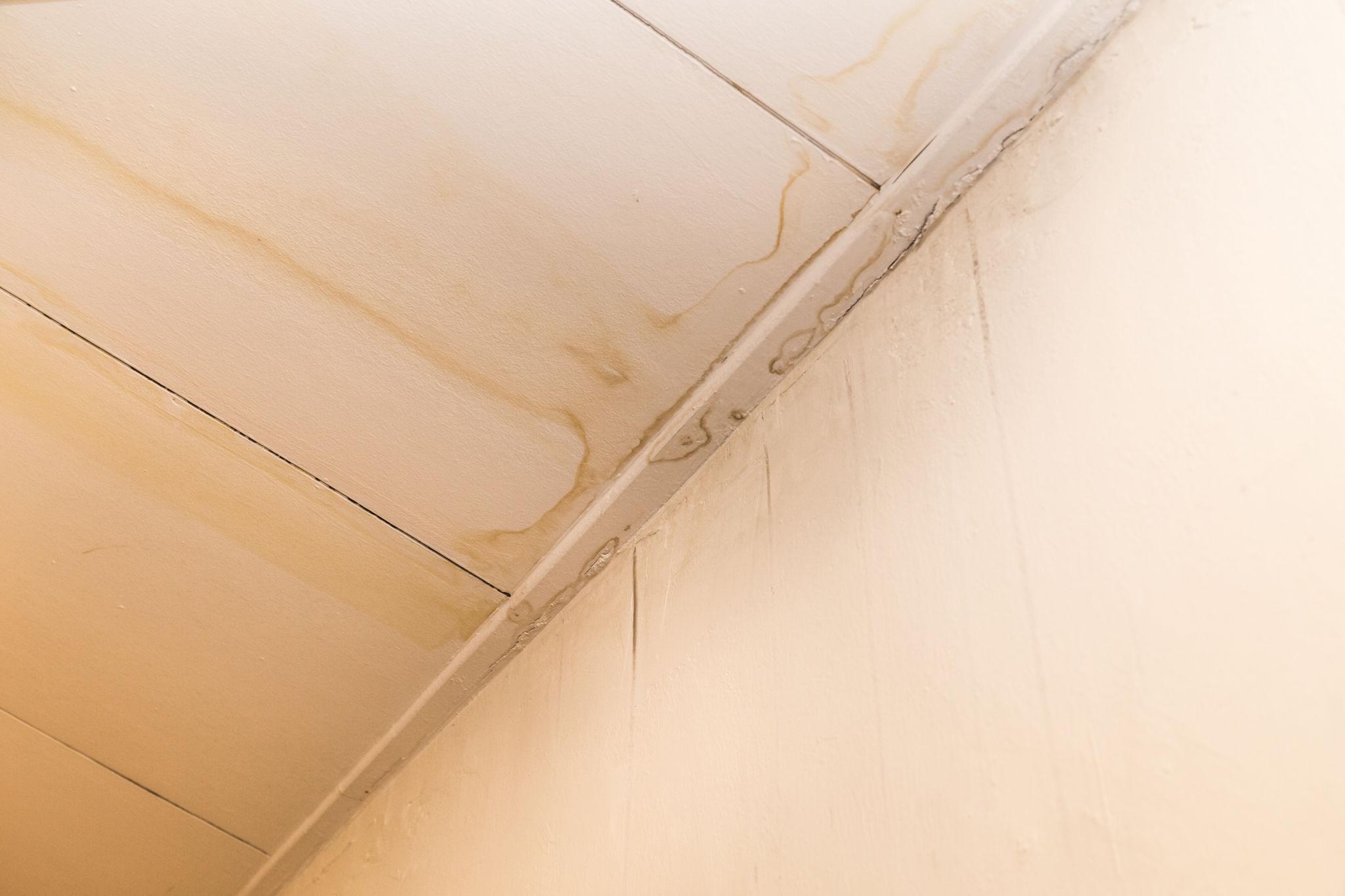
A leak shows up on the ceiling.
A few shingles blow off after a storm.
Maybe there’s a stain that slowly spreads across drywall.
That’s usually the moment people take action.
But here’s the reality—and it’s something most contractors won’t say clearly enough:
By the time you notice a problem inside your home, the damage has already been happening for months… sometimes longer.
Water doesn’t just appear overnight. It works its way in slowly, quietly, and consistently. And by the time it becomes visible, it’s often already caused damage beneath the surface.
Why Spring Is the Window Most People Miss
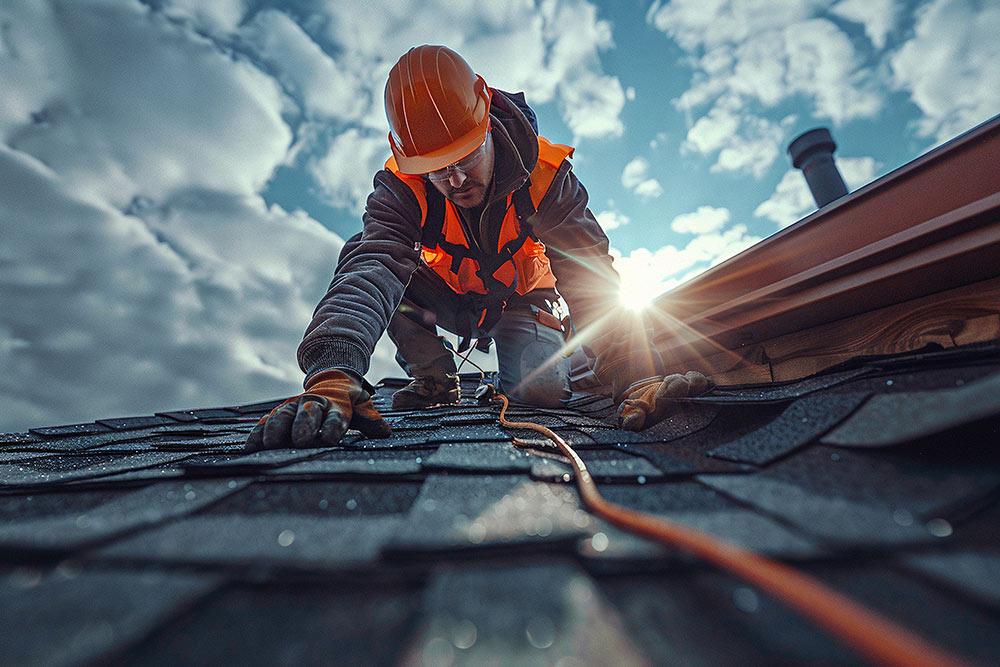
Spring is one of the most important times of year to inspect your roof—and at the same time, it’s one of the most overlooked.
Here in Annapolis and throughout Anne Arundel County, winter doesn’t always feel extreme. We’re not buried in snow for months. But that can be misleading.
Even mild winters create stress on your roof.
During colder months, your roofing system goes through constant expansion and contraction. Materials tighten when temperatures drop and loosen when they rise. That repeated movement may seem minor, but over time it creates wear in the most vulnerable areas—flashing, seals, and shingle integrity.
Even small freeze-thaw cycles can create tiny openings where water can eventually get in.
You won’t see it right away.
But it’s there.
What Happens When Temperatures Rise
As we move into spring, everything starts to shift.
Warmer temperatures soften roofing materials. Rain becomes more frequent. And all those small weaknesses that developed over winter finally get tested.
This is where problems start to show up.
Not because spring caused the damage—but because spring exposes it.
And if those weak points aren’t addressed early, even a basic rainstorm can turn them into bigger issues.
What starts as something minor can quickly lead to interior damage that homeowners don’t expect.
How Small Issues Turn Into Expensive Problems
This is the part where things escalate.
A tiny opening in your roof might not seem like a big deal at first. But once water finds its way in, it doesn’t stop. It spreads.
That’s when you start dealing with:
Interior leaks that damage ceilings and walls
Mold growth from trapped moisture in your attic
Rotting wood decking beneath your roofing system
Insulation damage that quietly increases your energy bills
And at that point, what could have been a quick fix turns into a much larger project.
The Cost of Waiting vs The Value of Timing
This is where most homeowners unknowingly lose money.
A small repair caught early might cost a few hundred dollars.
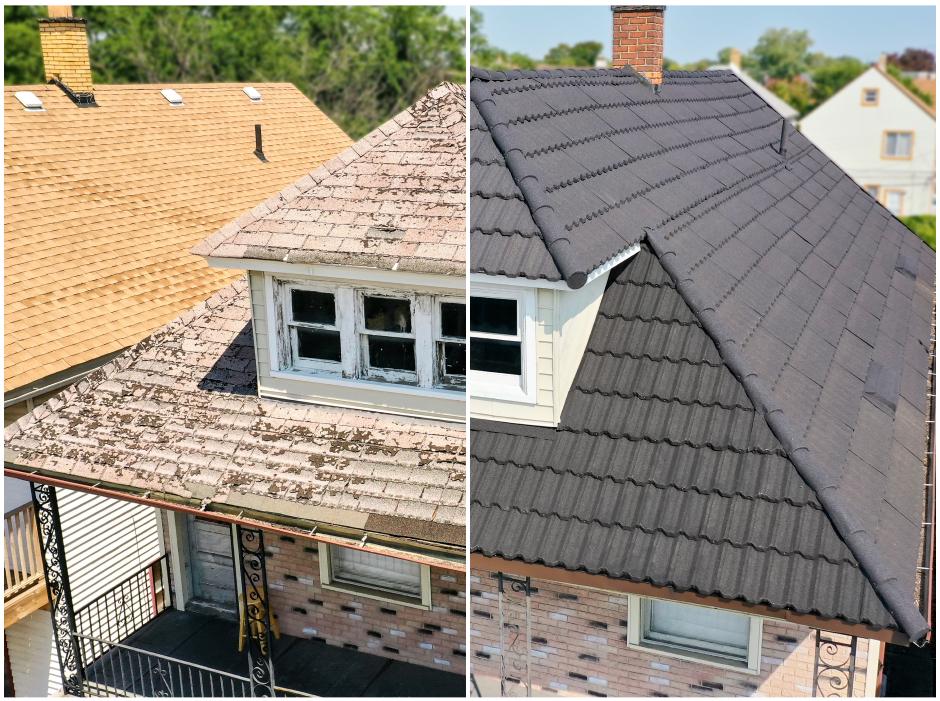
But when that same issue is ignored, it compounds. Water intrusion spreads. Materials weaken. And suddenly, you’re no longer fixing a problem—you’re replacing a system.
The difference isn’t dramatic at first.
But over time, it becomes the difference between a manageable repair and a full roof replacement that could have been delayed for years.
And that’s what makes timing so valuable.
What a Simple Spring Inspection Actually Gives You

A professional inspection isn’t just about finding problems. It’s about giving you clarity.
When you have your roof checked in the spring, you walk away knowing exactly where you stand.
You’ll understand whether your roof made it through winter intact, whether there are small issues worth addressing now, or whether it makes sense to start planning ahead.
That clarity changes everything.
Because when you plan ahead, you stay in control of the process—and the cost.
Emergency Replacements vs Planned Investments
There’s a big difference between replacing your roof on your terms and replacing it because you have no choice.
An emergency situation creates pressure. You’re reacting instead of planning. Decisions get rushed, and costs can climb quickly—especially if interior damage is involved.
But when you plan ahead, everything is different.
You can choose the right timing.
You can evaluate materials.
You can work with a contractor you trust instead of whoever is available.
That’s how smart homeowners approach their roof—not as a reaction, but as a long-term investment.
Final Thought: Control the Timeline, Control the Cost
Your roof protects everything underneath it—but it rarely demands attention until it’s too late.
Spring gives you a window to stay ahead of that.
A simple inspection now can prevent major repairs later. It keeps small issues from growing and gives you a clear plan moving forward.
At the end of the day, it’s not about spending money.
It’s about spending it at the right time—or avoiding unnecessary costs altogether.
Helpful Resources
If you want to learn more, these guides will help you go deeper: