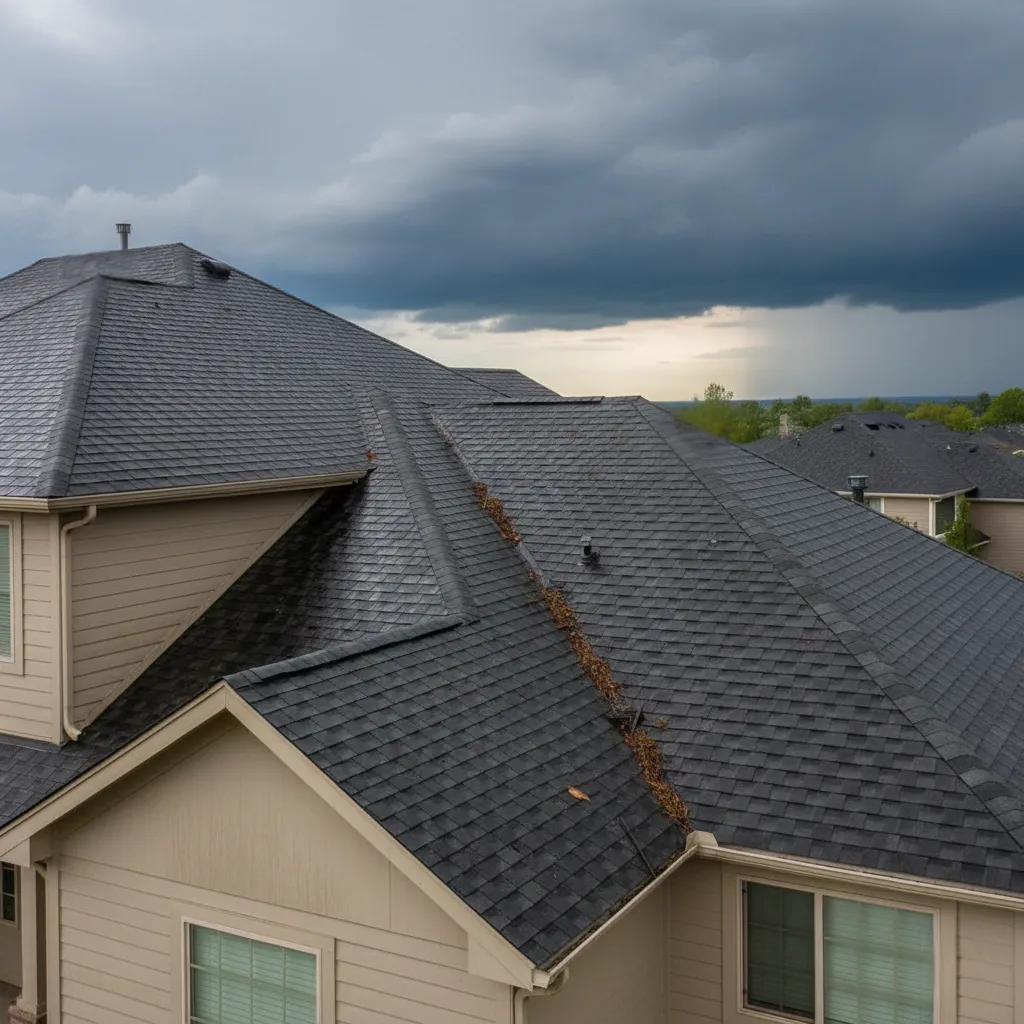
Roof Damage After a Storm? Here’s What to Do
Storms are part of life here in Maryland. Heavy rain, strong wind, sudden downpours, they happen. The real difference isn’t whether your home experiences a storm. It’s what you do immediately afterward.
The right response can mean the difference between a small repair and a major insurance claim. Between a quick fix and interior damage. Between protecting your home’s value and watching it decline.
In this guide, I’m going to walk you through exactly what to do after a stormcalmly, clearly, and step by step. I’ll also explain how WeatherTek Home Exteriors helps homeowners navigate inspection, documentation, and repair the right way.
First Things First: Safety
Before anything else, slow down. After a storm passes, it’s natural to want to grab a ladder and check for damage. But safety always comes first.
Start your inspection from the ground. Walk around your home and look for visible warning signs. Check the yard for shingle fragments, pieces of flashing, or fallen debris. Look up at the roofline and scan for irregular patterns or areas that look different than before.
Avoid climbing onto the roof, especially if:
Shingles appear loose or lifted
The surface is wet or slick
There may be structural compromise
Storm-damaged roofing surfaces can be unstable, and even experienced homeowners underestimate how slippery asphalt shingles become after rain.

If something looks questionable, that’s your cue to call a professional.
What to Look For (And What to Document)
Documentation is one of the most overlooked, and most important, steps after storm damage.
If you see signs of damage, take clear photos from multiple angles. Capture close-ups and wide shots. Make notes about what you observed and the approximate time the storm passed through.
This matters for two major reasons:
Insurance claims are stronger with detailed documentation.
If you’re planning to sell your home, proactive repairs prevent inspection issues later.
Look for:
Missing or displaced shingles
Bent or detached flashing
Granule buildup in gutters
Water stains on ceilings or attic decking
Debris impact marks
Photos + notes today can save weeks of back-and-forth later.
If you’re unsure what qualifies as significant damage, we break down common warning signs in our guide:
👉 Top 5 Signs You Need a New Roof
It’s a helpful reference when evaluating whether what you’re seeing is cosmetic or structural.
Why Acting Early Matters (Especially If You’re Selling)
Storm damage doesn’t always show up immediately inside the home. Water intrusion can take time to reveal itself. But once it does, the repair costs multiply.
From a resale standpoint, unaddressed storm damage can:
Trigger buyer inspection concerns
Lead to repair credits or price reductions
Delay closing timelines
Buyers are cautious when it comes to roofs. A documented post-storm inspection and professional repair shows responsibility and protects your negotiating power.
Even if you’re not selling tomorrow, protecting your home’s structural integrity protects your long-term equity.
How WeatherTek Handles Post-Storm Inspections
At WeatherTek Home Exteriors, we take a methodical and safe approach.
Instead of climbing onto potentially compromised roofing surfaces unnecessarily, we utilize drone-assisted roof inspections when appropriate. This allows us to:
Capture high-resolution images of the entire roof surface
Identify lifted shingles, punctures, or flashing issues
Provide documented photo reports
Support insurance conversations with clear visual evidence
You get clarity without risk — and without guesswork.
If repairs are needed, we explain them clearly and honestly. No inflated claims. No scare tactics. Just straightforward roofing guidance from a local company that stands behind its work.
Repair vs. Replacement: Knowing the Difference
Not every storm requires a full roof replacement. In many cases, damage is isolated and repairable.
Our job is to assess:
The age of the roof
The extent of shingle displacement
Structural integrity
Ventilation and flashing condition
If a repair will restore full performance and longevity, we’ll tell you. If replacement is truly warranted, we’ll explain why, in clear terms.
Our goal is protection, not pressure.
Summary: What To Do After a Storm
After the next storm rolls through, remember this:

Storms are inevitable. Major roof damage doesn’t have to be.

👉 Call WeatherTek Home Exteriors at (443) 332-3035 or schedule your inspection today.
We’ll assess your roof carefully, document what matters, and help you make the right next move — whether that’s a small repair or simply reassurance.


