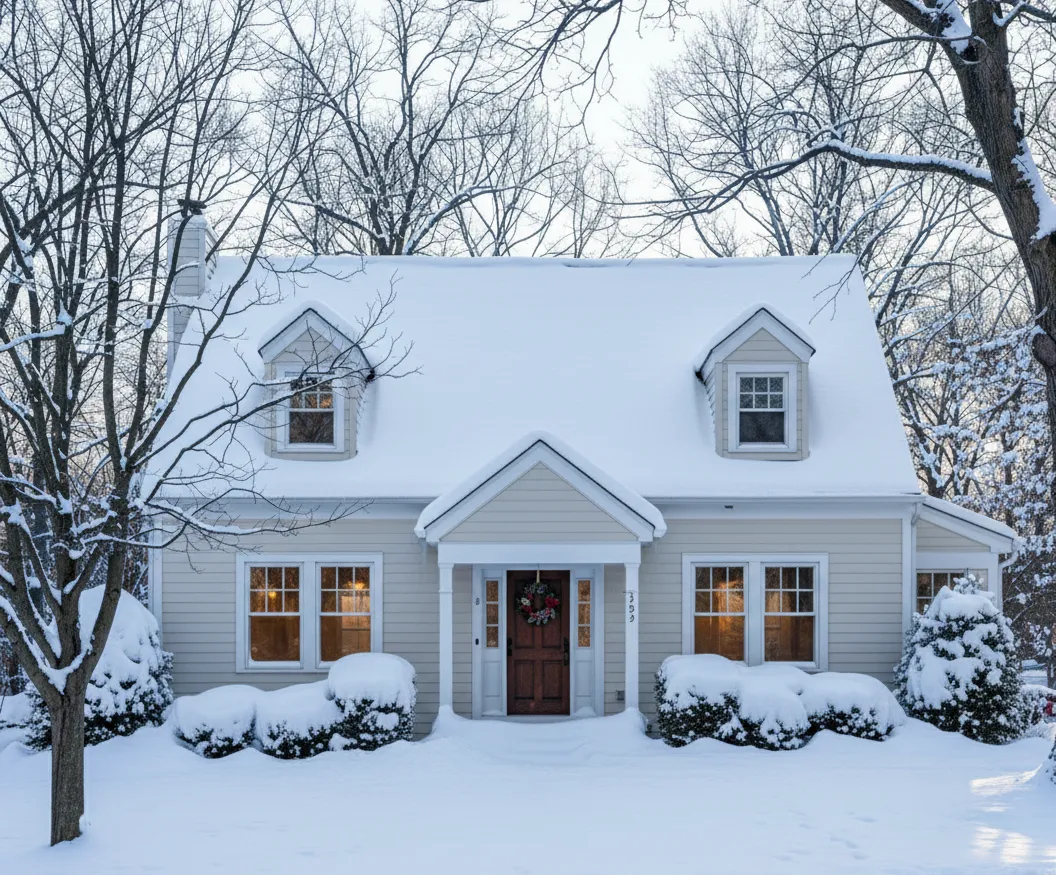
Winter Roof Clearing Tips
How to Protect Your Home Without Risking Your Safety.
Winter in Maryland can be beautiful… right up until your roof is holding several hundred pounds of snow and ice.
And here’s the truth: removing snow from your roof isn’t as simple as grabbing a shovel and climbing a ladder. Done wrong, it can damage your shingles, create leaks, or—worst of all—cause serious injury.
So today, I’m breaking down exactly how to clear your roof safely, when you shouldn’t do it yourself, and the warning signs of roof collapse that every homeowner should know.
As always, if you want WeatherTek to take care of the hard stuff, you know where to find us.
Why Winter Roof Clearing Matters
Heavy, wet snow + freezing temperatures = the perfect storm for roof stress.
When snow piles up, melts, refreezes, and drifts into uneven loads, your roof can experience far more weight than it was designed to carry. This can lead to:
Ice dams
Leaks
Shingle damage
Structural strain
Full or partial roof collapse in extreme cases
Before we go further, here are a few WeatherTek resources worth keeping handy this winter:
When Should You Clear Snow Off Your Roof?
Not every dusting needs attention. But if several inches of heavy, wet snow or thick layers of ice build up, and more snowfall is in the forecast, it's time to act.
The key is to remove weight before the next storm adds more load. Ice often forms beneath snow layers, making removal more difficult (and more dangerous) the longer you wait.
A helpful guideline:
Your Roof Shape Matters More Than You Think
Different roof types handle snow differently. Here’s what you need to know:
Flat Roofs: High Risk, High Caution
Flat roofs don’t shed snow naturally, so accumulation can become dangerous quickly.
Best practices for flat roofs:
Hire a professional whenever possible
If accessible from indoors, shovel gently never scrape
Stay far from edges
Focus first on removing large, heavy drifts
Work in small sections to prevent sudden imbalance
Because flat roofs collect water after melting cycles, ice dams and leaks are far more common.
Pitched Roofs: Safer, But Still Risky
With a pitched roof, stay on the ground. Never climb onto a snowy or icy roof, your traction is nearly zero.
Use a telescoping roof rake and follow this pattern:
For gabled roofs: start at the ridge and work toward the eaves
For other sloped roofs: start at the bottom edge and work upward
Always clear gutters and eaves to prevent ice dams
Steep metal roofs found in cold-weather regions like Vermont or Maine naturally shed snow, but Maryland roofs, typically asphalt shingles require more attention.
The Risks of Leaving Snow Too Long
According to FEMA’s structural safety guidance, snow doesn’t just sit harmlessly, it shifts, melts, refreezes, and creates dangerous, uneven pressure.
Unbalanced snow loads are especially problematic because drifting creates pockets of extreme weight.
Add rainfall on top of snow, and the weight multiplies rapidly. If you combine wet snow + ice + trapped water, even a strong roof can reach its limit.
Warning Signs Your Roof Is Overstressed
(If you see any of these, leave the house and call a professional immediately.)
Sagging ceiling drywall
Cracks in walls or masonry
Popping, creaking, or cracking noises
Doors and windows suddenly sticking
Roof leaks that appear rapidly
Sprinkler heads pushed downward
Water puddling on sections of a low-slope roof
If these signs appear, do not attempt snow removal yourself. Contact your local building authority or a licensed roofing professional right away.
📞 Schedule Your Free Inspection
How to Clear Snow Safely (Without Damaging Your Roof)
Stay on the ground.
Your footing on snow + shingles = unpredictable and dangerous.Use the right equipment
- Telescoping roof rake
- Non-abrasive tools (no metal shovels on shingles!)
- Warm, waterproof gloves
- Ice cleats if walking on flat roofs onlyWork with a partner
Cold, slippery conditions require someone to spot you.Never scrape down to the shingles
That last inch of snow protects the roof surface.If you MUST get on the roof (flat roofs only). Use:
- A harness system
- Roof anchors
- Non-slip boots
As one roofing expert put it: “When it’s slick, you can slide off a roof faster than you can react.” And he’s right.
Should You Just Call a Pro? (Honestly… often yes.)
If your roof is tall, steep, icy, flat, or has a history of leaks, the safest option is bringing in a professional.

They have:
Plus, most homeowners don’t realize this, you can scratch or crack shingles simply by pressing too hard with a shovel. A small mistake can become a full replacement.
Be Prepared Before the Snow Season Hits
Use this checklist now before the first major storm:
Key Takeaways
Remove snow when it becomes heavy, wet, and layered, especially before the next storm
Flat roofs require more frequent clearing
Leave an inch of snow to protect shingles
Know the warning signs of roof collapse
Safety comes before everything, when in doubt, call a pro
Ready to Prep Your Roof for Winter? We’ve Got You.
At WeatherTek Home Exteriors, we help Maryland homeowners protect their largest investment with honest guidance, expert roofing, and world-class service.
If you’d like a free winter roof inspection before the storms roll in:
📞 Schedule Your Free Inspection


