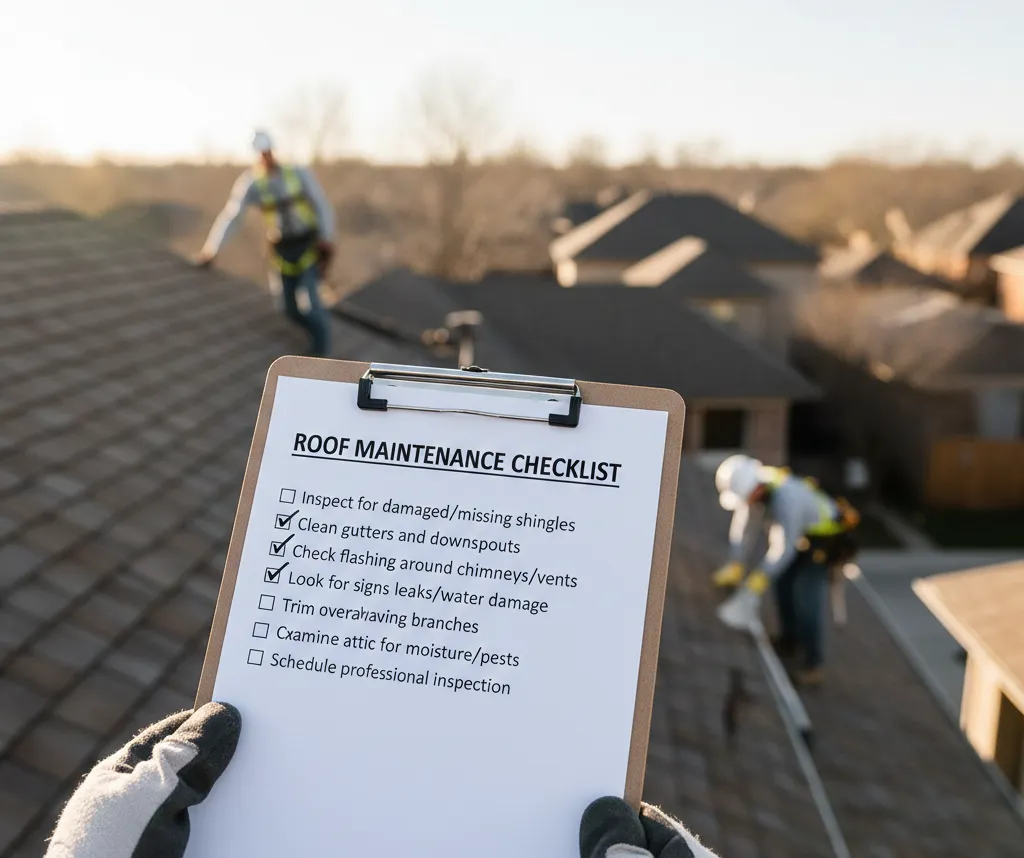
Top Roof Maintenance Tips Every Homeowner Needs
A healthy roof is one of those things you don’t think about much until something goes wrong. When it is maintained properly, though, it quietly saves you money, improves energy efficiency, and eliminates a lot of unpleasant surprises. It also becomes a major selling advantage if you ever decide to list your home.
In this guide, we’ll walk through realistic, real-world roof maintenance tips every homeowner should know. These are things you can keep an eye on yourself, along with a few areas where a professional inspection really pays off.
The Roof Maintenance Basics Every Homeowner Should Know
Roof maintenance doesn’t have to be complicated or time-consuming, but it does need to be consistent. Most serious roofing issues don’t start as emergencies—they begin as small, easily fixable problems that go unnoticed.
One of the most important habits to build is paying attention to your roof after strong weather.
Inspect Your Roof After Heavy Weather
Even if a storm doesn’t seem severe, wind and driving rain can loosen shingles, shift flashing, or expose vulnerable areas. Many homeowners assume everything is fine simply because there’s no visible leak inside—but by the time water shows up indoors, damage has often been building for a while.
A quick post-storm inspection by a professional can identify hidden issues early, when repairs are simpler and far less expensive. This is especially important if your roof is more than a few years old or if you’ve experienced repeated storms in a short period of time.
Don’t Ignore Roof Ventilation and the Attic

Roof health isn’t just about what’s visible from the outside. What’s happening in your attic plays a huge role in how long your roof lasts.
Poor attic ventilation traps heat and moisture, which can prematurely age shingles, warp decking, and increase energy costs. When ventilation is properly balanced, your roof stays cooler in the summer, drier year-round, and more efficient overall.
From a resale standpoint, good ventilation also signals that the home has been thoughtfully maintained—something buyers and inspectors notice right away.
If you want to learn more about how different roofing materials perform over time, take a look at our guide on Asphalt Roofing Systems — WeatherTek, where we break down durability and lifespan in plain language.
Keep the Roof Clean (It Matters More Than You Think)
Over time, dirt, algae, and moss can accumulate on your roof, especially in shaded or damp areas. While it may seem like a cosmetic issue, this buildup actually shortens shingle life by trapping moisture and breaking down protective materials.
A clean roof allows you—and your inspector—to clearly see its condition. It also prevents small problems from hiding beneath grime until they turn into costly repairs.
Seasonal Maintenance: A Simple Rhythm That Works
You don’t need to be on your roof every weekend, but aligning maintenance with the seasons makes it manageable and effective.

In the spring, it’s smart to check shingles and flashing after winter weather. Summer is a good time to clear debris and address minor issues before storm season ramps up. Fall is all about cleaning gutters and downspouts to prepare for heavy rain and falling leaves. During winter, attention shifts to insulation, ventilation, and preventing ice dams.
This kind of seasonal care does more than protect your roof—it boosts curb appeal and builds buyer confidence. Homes with documented maintenance almost always feel more trustworthy to prospective buyers.
Quick Recap
When roof maintenance is done regularly, the benefits compound. You extend the life of your roof, reduce unexpected repair costs, improve energy efficiency, and create a stronger selling position if you ever decide to move.
Simply put: well-maintained roofs attract more buyer interest and fewer inspection headaches.
When to Call a Professional Roofing Contractor?


